Way to make a Travel > Travel stories > Barcelona – Catalunya Cultural Heart
The largest city in Catalunya, Barcelona, has its own language, history, and culture, as well as a proudly independent populace. Many tourists think of Spain as the home of flamenco and bullfighting, but Catalunya is not that.
Barcelona’s history
Historically, this area has frequently clashed with Madrid, the seat of the central Spanish government. Because Catalunya has sided with the wrong side in conflicts and uprisings against the Madrid rulers, the Catalan language and culture have been suppressed or banned at different points in Spanish history.
Catalunya was one of the last areas of democracy to oppose the military takeover by the fascist dictator Francesco Franco during the Spanish Civil War. Franco punished the area with forty years of repression.
Three monuments in Barcelona serve as reminders of such repression: Built in the 18th century as a military fortress to maintain order among the populace, the Parc de la Ciutadella was formerly a highly loathed fortress.
Numerous political executions, including hundreds during the Franco era, have taken place at the Castle of Montjuic, which was constructed for such purposes.
The goal of Franco’s completion of the Sacred Heart Church, a top Tibidabo, was to atone for the sins committed by Barcelona residents during the Spanish Civil War.
Language
The Catalan language is inextricably linked to the history and character of the locals. Since the end of the Franco dictatorship in the mid-1970s, children have learned Catalan first and Spanish second. Barcelona speaks Catalan, even if Spanish is widely known.

Getting to and around Barcelona
For the majority of American travelers, flying into Barcelona is as simple as flying into Madrid, Lisbon, or Paris. Those hiring a car can start here, fly to Madrid, explore Madrid and Toledo, and then pick up the automobile as they leave.
On the shortest visit, Barcelona is worth one night, one day, and an overnight train or night-time flight.
By Taxi
A taxi from the airport is the most comfortable and accurate way to reach the Barcelona particular place of interest. This city is one of Europe’s best taxi towns. Taxis are plentiful and honest.
By Car
Barcelona’s parking fees are outrageously expensive. You won’t need a car in Barcelona because the public transportation is so good.
By Subway
Barcelona’s Metro among Europe’s best, connects just about every place you’ll visit. It has five color-coded lines.

By Tourist Bus
The handy Tourist Bus offers two multi-stop circuits in colorful double-decker buses. The red route covers north Barcelona, most Gaudi sights while the blue route covers south Barcelona, Gothic Quarter and Montjuic.
Barcelona highlights
Columbus Monument
Marking the point where the Ramblas hits the harbor, this 200-foot-tall monument built for an 1888 exposition offers an elevator-assisted view from its top. The fact that Barcelona would pay such homage to the man whose discoveries eventually caused it to lose its position as a major commercial power is noteworthy. After Columbus’s first visit to America, Ferdinand and Isabel welcomed him here in Barcelona.

Maritime Museum
Housed in the old royal shipyards, this museum covers the salty history of ships and navigation from the 13th to the 20th century, showing off the Catalan role in the development of maritime technology. For example, the first submarine is claimed to be Catalan. With fleets of seemingly unimportant replicas of old boats explained in Catalan and Spanish, landlubbers may find it dull, but the free audio guide livens it up for sailors.

Barcelona’s Montjuic
The Montjuic or ”Mount of the Jews”, overlooking Barcelona’s hazy port, has always been a show-off. Ages ago, it ads an impressive fortress. In 1929v, it hosted an international fair, from which most of today’s sights originated. And in 1992, the Summer Olympics directed the world’s attention to this pincushion of attractions.
The Montjuic Castle offers great city views and a military museum. The seemingly endless museum houses a dull collection of guns, swords and toy soldiers. An interesting section of the Spanish -American War of 1898 covers Spain’s valiant fight against American English descriptions.
Picasso Museum
Because Pablo Picasso was born and raised in Barcelona, this is the greatest collection of his early works in the nation. He was born in Spain and lived from 1981 to 1973. By seeing his youthful, realistic art, you can more fully appreciate the artist’s genius and better understand his later, more challenging art. It’s scattered through two Gothic palaces, six blocks from the cathedral.
While the rooms are constantly rearranged, the collection of 291 paintings is always presented chronologically. With the help of thoughtful English descriptions for each stage, it’s easy to follow the evolution of Picasso’s work. The room numbers in parentheses can help you get oriented in the museum.

Gaudi’s Art and architecture
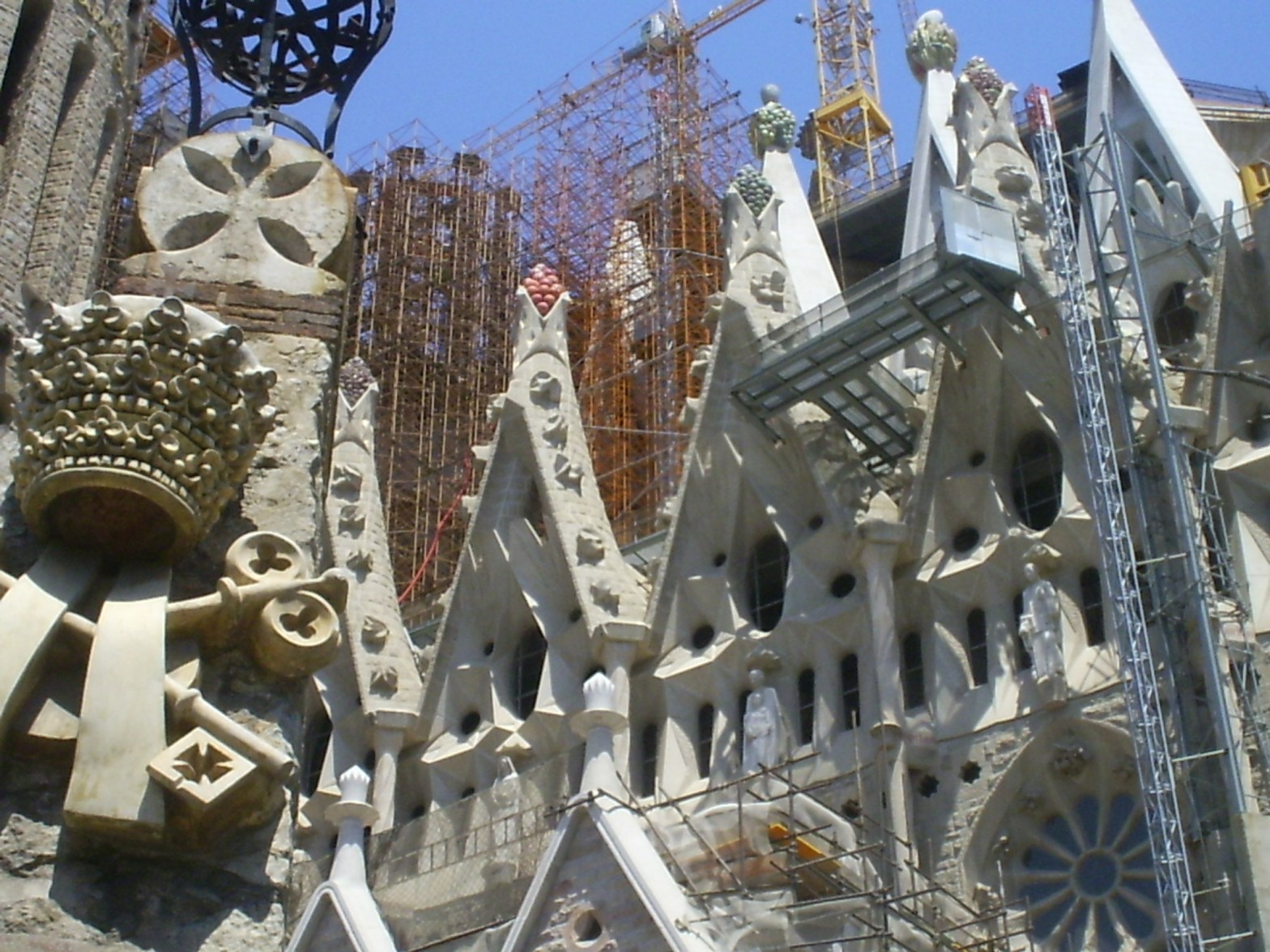
Barcelona is an architectural scrapbook of native kid Antoni Gaudi’s galloping gables and flowing curves (1852-1926). A devoted Catalan and Catholic, he immersed himself in each project, often living on-site. At various times, he called Parc Quell, Casa Mila and the Sagrada Familia home.
Eixample
Wide sidewalks, hardy shad trees, chic shops, and plenty of Art Nouveau fun make the Eixample a refreshing break from the old town. Uptown Barcelona is a unique variation on the common grid plan city. Barcelona cut off the corners of the buildings to make eight-sided squares that are bright and roomy at each junction.
The “Expansion” or “Eixample” was a progressive scheme that made everything available to everyone. There would be a hospital and a sizable park in every 20-block square district, a market and general services in every 10-block square region, and schools and daycare facilities in every 5-block square grid. A community park would be created from the empty area inside each apartment “block.”
Sagrada Familia Church
Gaudi’s most famous and persistent work is this unfinished landmark. He worked on the cathedral from 1883 until 1926. Since then, building has progressed in fits and starts. Even now, the half-finished project is estimated to take another 50 years to complete. One reason it’s taking so long is that the temple is funded exclusively by private donations and entry fees. Your admission helps pay for the ongoing construction.


Parc Guell
Gaudi intended this 30-acre garden to be a 60-residence housing-income development, it flopped. As a park, it’s a delight, offering another peek into the eccentric genius of Gaudi.
From the bus drop off point, you’ll hike uphill three blocks to the main entry to the park.
Imagine living here 100 years ago, when this gated community was filled with Barcelona’s wealthy. Back then, high-society ladies didn’t want to live so far from the cultural action. Today, the surrounding neighborhoods are some of the wealthiest in town, and a gated community here would be a big hit.
Food & beverage in Barcelona
The capital of Catalan cuisine featuring seafood and Basque tapas, offers a tremendous variety of colorful places to eat. Many restaurants close in august when the owners vacation.
Taverns
Taverna Basca Irati is one of those places where you can eat simply yet memorably due to its perfect location near the Ramblas. Famous for it’s big variety of over 40 kinds of hot and cold Basque ”pintxos” – open-faced sandwiches like Basque sushi.
”Basque honor system” charges you by the number of of toothpicks left on your plate when you’re done. Wash it down with glass of wine like Rioja wine for example or Txakoli.
Next door is a tutti-frutti vegan/vegetarian placewith garish colors, a hip-veggie-menu, and a stunning array of fresh-squeezed juices served at the bar.
Restaurants in Barcelona
A chain of five bright, modern restaurants with traditional cuisine in classy bistro settings with great prices has stormed Barcelona. Because of their three-course lunches and dinners, both with wine included, all are crowded with locals and tourists. They take no reservations and are marked by long lines at the door. Arrive 30 minutes before opening or be prepared to wait.
You will find La Fonda, La Crema Canela or Quinze Nits at Placa Reial, Ramblas or near the Catalan Concert Hall.
Restaurant Elisabets is a happy little neighbourhood eatery packed with antique radios and popular with locals for its ”home-cooked” three-course lunch special.
El Pintor Restaurant serves perhaps the best 50 Eur dinner in town. Under medieval arches and rough brick, with candles and friendly service, you’ll enjoy Catalan and Mediterranean cuisine.
Els Quatre Gats – Picasso’s hangout, still has a bohemian feel in spite of its ourist crowds. Before the place was founded in 1897, the idea of a cafe for artists was mocked as a place where only quatre gats – four cats (meaning crazies) would go.
Sandwich Shops
Bright, clean and inexpensive sandwich shops are proudly holding the cultural line against the fast-food invasion hamburgerizing the rest of Europe. You’ll find great sandwiches at Pans & Company and Bocatta, two chains with outlets all over town.
Catalan sandwiches are made to order with crunchy French bread. Rather than butter, locals prefer ”pa amb tomaquet” – tomato sauce on bread. Use the informative multilingual menu fliers to comprehend your choices.
At Passeig de Gracia, consider Quasi Queviures for your eatery option. They serve upscale tapas, sandwiches, or the whole nine yards-classic food served fast from a fun menu with modern decor and a sports-bar-ambiance.
Cafe Granja Viader is a quaiant time warp, family-run since 1870. They boast to be the first dairy business to bottle and distribute milk in Spain. This feminine place is specialized in baked and diary delights, toasted sandwiches and light meals. Try a glass of ”orxata” an almond milk, or ”ilet malorquina”, the Majorca-style milk with cinnamon, lemon and sugar, or ”crema catalana” cream brulee or swiss hot chocolate called ”suis.”
Events
To see real Catalan culture, look for the ”sardana” dance or an exhibition of castellers. These teams of human-castle builders come together for festivals throughout the year to build towers of fleshthat can reach more than 50 feet high, topped off by the bravest member of the team, a child.
The Gracias festival in August and the Merce festival in September are good times to catch the castellers.
Around Barcelona
Four fine sights are day-trip temptations from Barcelona. For the ultimate in Surrealism and a classy but sleepy port-town getaway, consider a day or two in Cadaques, with a stop at the Dali Museum in Figueres. Figueres is an hour from Cadaques and two hours from Barcelona. For the consummate day at the beach, head 45 minutes to the charming resort town Sitges.
Sitges
Sitges is one of Catalunya’s most popular resort towns and a world-renowned vacation destination among the LGBT community. Despite it’s jet-set status, retain its charm. Nine beaches extend about a mile southward from town. Stroll down the seaside promenade, which stretches from the town to the end of the beaches.
About the half-way, the crowds thin-out, and the beaches become more intimate and cove-like. Along the way, restaurants and beachfront bars serve tapas, paella, and drinks. Take time to explore the old town’s streets and shops. On the waterfront, you’ll see the 17-th century Sant Bartomeu Santa Tecla Church. It’s a quick hike up for a view of town, sea, and beaches.
Montserrat
Pilgrims with hiking boots head an hour into the mountains for the most sacred spot in Caalunya -Montserrat. With its unique rock formations and mountain monastery, is a poular day trip from Barcelona. This has been Catalunya’s most important pilgrimage site for a thousand of years. Hyms ascribe this ”serrated mountain” to little angels who carved the rocks with golden saws. Geologists blame 10 million years of nature at work.
Montserrat’s top attraction is La Moreneta, the statue of Black Virgin, which you’ll find within the Basilica. The Moreneta, one of the patron saints of Catalunya, honored on April 27th, is the most revered religious symbol in the province.
Our favorite Barcelona Tours


Introductory walk — from Piaca de Catalunya down the Ramblas
Barcelona’s central square and main boulevard exert a powerful pull. Many visitors spend a major part of their time here, doing laps on the Ramblas.
Placa de Catalunya
The vast centralsquare that divides old and new Barcelona is called Placa de Catalunya. It’s also the hub for the Metro, bus, airport shuttle, and both Tourist Bus routes. Northern red route leaves from El Corte Ingles while blue southern route from west side of Placa de Catalunya. The grass around its fountain is the best public place in town for serious necking.

Overlooking the square, the huge El Corte Ingles department store offers everything from bonsai trees to a travel agency, plus haircuts and cheap souvenirs.
The Top of the Ramblas
Cross the street from the Hard Rock Café and start your stroll 30 meters below at the ornate fountain.
This magnificent boulevard is more than just a Chams-Élysées: it takes you from the rich to the underclass in a 1.6 km or 20-minute walk. You’ll float on the river of Barcelona life, past a grand opera house, elegant cafés, sex workers, pickpockets, highly styled con artists, artists, street mimes, a bird market, great shopping, and people who want to charge more for a shoe shine than you paid for the shoes. Find a bench and watch the hustle and bustle.


Events
The Ramblas are two different streets — day and night. Stroll from top to bottom in the evening, then again the next morning and have breakfast on a stool at a market café.
As you continue strolling downhill, you can drop a few coins into the cans of the human statues. The money often drives them into entertainment mode.
Along the way, you’ll gradually discover the Rambla de la Ciutadella, the Baroque church, and La Boqueria.
The Rambla de la Ciutadella is a place where children traditionally bring their parents to buy pets, especially on Sundays. Buildings with planted balconies are usually residential spaces, while balconies with air conditioning units usually indicate offices. A recently discovered Roman necropolis is located in a park opposite, 50 meters behind the large, modern Citadines Hotel.
Another 100 meters takes you to the Baroque church. The big, plain Bethlehem church fronting the boulevard is Baroque, unusual in Barcelona. While Barcelona’s Gothic age was rich, the Baroque age hardly left a mark. The city’s importance dropped when New World discoveries shifted lucrative trade to ports on the Atlantic.
Stroll through the Ramblas of Flowers to the subway stop and reach La Boqueria. This lively produce market is an explosion of chicken legs, bags of live snails, stiff fish, delicious oranges and sleeping dogs.


Drop by a cafe for an espresso con leche or breakfast tortilla espanola or potato omelet. For lunch and dinner options, consider La Gardunya, located at the back of the market.
Farther down the Ramblas, the art Nouveau Escriba Cafe is an ornate world of pastries, little sandwiches, locally popular chocolates and fine coffee. Opened in 1820 as shown on the facade, it was remodeled in the modernist style.
The bottom of the Ramblas
The bottom of the Ramblas is reserved for Barri Xines. This is the Chinatown neighborhood with nothing even remotely Chinese in or near it. Named for the prejudiced notion that Chinese immigrants go hand in hand with poverty, prostitution and drug dealing, the actual inhabitants are poor Spanish, Arab and Rom people.
The bottom of the Ramblas is marked by the Columbus Monument and just beyond that Rambla of the Sea a modern extension of the boulevard into the harbor.
A popular wooden pedestrian bridge, with waves like the sea, leads to Maremagnum, a soulless Spanish mall with a cinema, huge aquarium, restaurants, tapas bars and piles of people. It’s a worthwhile stroll.
Boat Trips
At the foot of the Columbus Monument, tourist boats called Golondrinas offer 30-minute tours of the harbor. A glass-bottom catamaran offers longer trips along the coast. For a picnic, one of these excursions or the harbor steps are recommended.
Cable Car to Montjuïc
You will see the cable car that takes tourists to Montjuïc, which, in addition to beautiful views, also offers a castle and several museums.
Booking a Hotel in Barcelona
Book in advance. If necessary, the TI in Plaça de Catalunya offers a room reservation service. Barcelona is the most expensive city in Spain. However, it is still possible to find affordable rooms. Budget accommodations are busier in the summer, while the more elegant business hotels are fully booked in the winter and offer discounts on weekends and in the summer. The prices listed do not include the 7% tax and breakfast.
Although many of the recommended accommodations are in pedestrian areas, late-night noise is a problem almost everywhere, especially in budget accommodations with single-glazed windows. If you want a quiet night, ask for “tranquilo” instead of “con vista”.
Hotel Gran Via
Housed in a magnificent palace dating back to 1870, this hotel boasts Botticelli and chandeliers in the public areas, a large, peaceful, and sunny garden, and 54 spacious, comfortable, and air-conditioned rooms. Although it is nearing ruin, it is charming and offers excellent value for money.
Hotel Continental Palacete
Housed in a centuries-old palace, this hotel features chandeliers, floral wallpaper, and inexpensive yet elegant furniture under richly gilded stucco—a luxurious sight in Gaudí’s city. It is welcoming, clean, quiet, and well-located, with comfortable beds.
Hostal Residencia Neutral
With a classic location in the Eixample district and 28 very simple rooms, this family-run hotel is a place that will transport you back in time. Breakfast is served in a pleasant room. The hotel is welcoming, clean, quiet, and well-located, with comfortable beds.
Great location – friendly staff – Excellent stay – Booking hotel in Barcelona by Trivago


Trivago compares and displays different offers from many booking sites.
👉For latest holiday best hotel offers in Barcelona visit our Partner booking links here⤵️
🌐 HOTELS IN BARCELONA BY TRIVAGO
Promotion:


Keywords: @Catalunya Cultural Heart @bhibarcelona @bookinghotelin @waytomakeatravel #bookdirectly @bookdirectly @promotions #booking hotel in barcelona @hotels in barcelona #barcelona attractions #activities in barcelona #gettingtobarcelona #Historyofbarcelona #Montjuic
Other simiar stories: Visit of the Montserrat’s iconic site French Riviera places to visit Top 5 places to travel this Summer
Home Travel stories World Tours About







































Leave a Reply