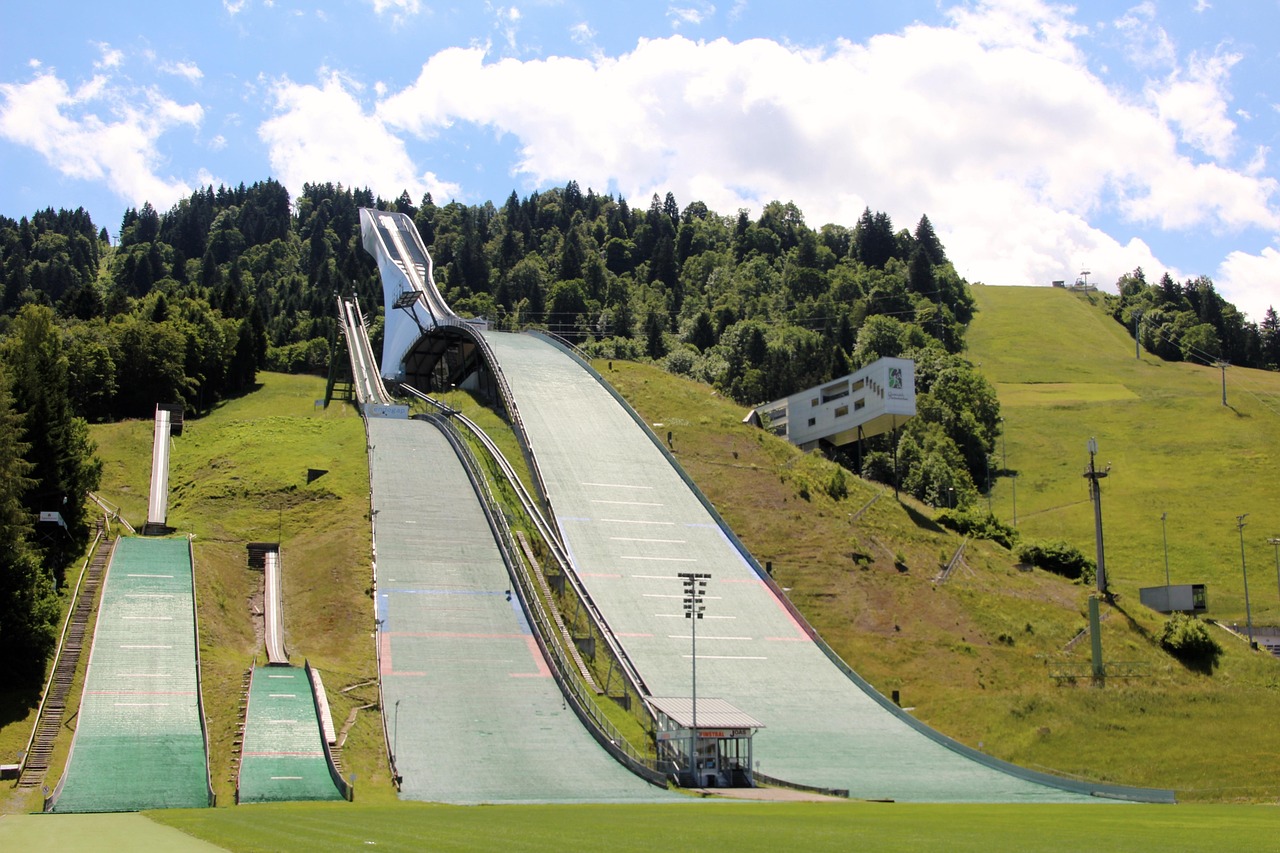
Way to make a Travel > Hotel News > Ghost Ski Resorts: The Fate of the Alps
The French Alps, once a favorite winter sports destination, are now facing challenges due to climate change. The survival of numerous ski resorts is in question.
The Auvergne-Rhône-Alpes and Provence-Alpes-Côte d’Azur regions are home to the French Alps. A mountain range known for Mont Blanc, Chamonix, Val Thorens and other destinations – synonymous with skiing and other snow-dependent winter sports. However, the situation has changed a lot over the past decades and these areas are less adorned with snowy landscapes. The old ski resort of Céüze 2000, opened more than eight decades ago, is one of the most illustrative examples of this problem.


What is happening to the old ski slopes in the Alps?
Climate change is affecting many aspects of the world. While some of its effects are well known what few expected was that the landscape of the Alps would change to the point that many ski resorts could no longer guarantee the three months of snow that is necessary for a season to be considered successful.
Where once the hum of cable cars could be heard, today there is no activity. The remains of tables where tourists once sat, faded trail maps and workers’ schedules stand as reminders of seasons gone by. This is exactly what happened in Seuzou 2000, where workers put the key in the lock in 2018, hoping to reunite next winter. However, that did not happen.
Workers and tourists have not returned. Today, it is one of many similar examples known as “ghost ski resorts.” More than 186 ski resorts in France, to be exact – not just in certain areas, but across the Alps. By some estimates, some 63 kilometers of abandoned cable cars remain behind the once-thriving resorts.
The abandoned buildings are now rotting and rusting. They are releasing hazardous substances, such as the insulation that once protected the wires or the plastic that is peeling off the poles. The deconstruction of Céüze 2000 began on November 4, 2025 – just before the start of the ski season, a fate that awaits all abandoned lifts built after 2017 in France.
Nature restoration
However, where people have stopped skiing, nature is slowly starting to recover. Berries now grow on the once completely flat slopes, which are food for birds that were once rarely seen here – such as the red-billed gull, the jackdaw. But they are not the only ones, experts estimate that wild boars and roe deer from the surrounding forests will also feel the benefits of nature’s recovery.
The fate of Céüze 2000 has opened up numerous debates in France, but the issue is now spreading to the rest of Europe, which is facing similar challenges due to climate change and rising temperatures.

According to some estimates, half of Europe’s ski resorts could be closed in the future precisely because of the increase in average annual temperatures. Including the mountain resorts of the Balkans, where winter tourism is increasingly faced with shorter seasons and a lack of natural snow.
While some believe that it was necessary to persevere through artificial snow making and hiring additional machinery, others believe that this is precisely what is needed as a means of restoring nature. The Alps today threaten to become a space filled with chirping birds and returning wildlife, rather than busy and crowded ski slopes.
Write your opinion on ghost ski resorts across Europe in the comments bellow.

Promotion:


Keywords: @bookinghotelin @waytomakeatravel #bookdirectly @bhibookdirectly @bhipromotions #hotelnews #alpinehotels #bookinghotelinalps#hotel rewards #frenchapls #ghostskiresorts #skiresortsfrance #franceskiing #skiinginfrance
Related Articles: St Anton the birthplace of alpine skiing Christmas markets in Germany German Mountain splendor Tyrol for Nature lovers
Home Travel stories World Tours About















































Leave a Reply