Way to make a Travel > World Tours > Japan’s Cultural Hotspots – Tokyo, Hirosima & Hakone
Welcome to Japan, a place where the morning begins with the scent of green tea and ends under the neon lights of Tokyo. Where the silence of Zen gardens intertwines with the rhythm of the metropolis, and thousand-year-old temples stand side by side with robots that greet you.
Japan’s Cultural Hotspots – Osaka, Nara, Kyoto & Miyajima island
Japan where the soul breathes differently, the dream lasts even when you wake up, the mind starts drinking tea in silence, that feeling when reality looks like a movie. In a country where the past is not forgotten but respected, and the future is already walking the streets, every step is an experience, and every…
Part two, day 5 begins with a visit to the Hiroshima Peace Memorial Park. This is a place of profound historical significance and a symbol of the world’s commitment to peace and nuclear disarmament.

Hirosima Peace Memorial Park
Located in the very center of the city, this park covers an area of over 120,000 m2. It was built on the site of the former political and commercial center of Hiroshima, which was completely destroyed by the atomic bomb on August 6, 1945. The park is dedicated to the victims of the bombing and contains numerous memorials.
- Cenotaph for the victims of the atomic bomb. This cenotaph consist stone arch under which there is a coffin with the names of all known victims with the inscription: “May all souls here rest in peace, for we will not repeat evil”.
- Flame of Peace. Flame that has been burning continuously since 1964 and will not be extinguished until the last nuclear weapon disappears from the planet.
- Children’s Peace Monument. Monument dedicated to the children who suffered, inspired by the story of Sadaka Sasaki and her thousand paper cranes.

The atmosphere of the park is quiet and dignified. Only trees, paths and the sound of the Peace Bell, which visitors can ring themselves as a symbol of hope.

Hiroshima Peace Museum
In the heart of the park is the Hiroshima Peace Museum. Founded in 1955 museum educated the public reality of the nuclear disaster.
The museum displays personal belongings of victims, documents and testimonies of survivors. The exhibitions are divided into thematic sections. Particularly poignant is the section with objects such as clocks stopped at the moment of the explosion, burnt clothes and shadows in the stone, traces of people who disappeared in an instant.
A visit to the museum is deeply emotional and educational, leaving a strong impression of the importance of peace and humanity. Visitors can walk around the building, read the information boards and pay their respects in silence.
After visiting the memorial sites, a trip to Tokyo, the capital of Japan, follows, which can be done fastest by the Shinkansen bullet train. The trip takes 4 hours and during the ride you can enjoy the comfort, silence and views of the Japanese landscapes. Upon arrival in the capital, the day ends and with a transfer to the hotel, accommodation and overnight stay, a plan for a visit to Hakone is prepared.

Hakone
After breakfast at the hotel, we will set off on a full-day excursion to a perfect destination near Tokyo. Hakone, a picturesque region known for its hot springs, volcanic landscapes and stunning views of Mount Fuji, is just a 1.5-hour drive from central Tokyo. A popular getaway from the hustle and bustle of Tokyo, this destination offers a blend of natural beauty, spirituality and Japanese tradition. We begin our trip with a boat ride on Lake Asi, a crater valley known for its calm waters and panoramic views.
As we cruise, Mount Fuji rises on the horizon, while the red torii gate of Hakone Temple rises from the water, creating a scene that has become a symbol of Japanese postcards.


Owukudani Valley
After the cruise, we continue to Owakudani Valley, which we reach by cable car. This volcanic valley was formed during the last eruption of Mount Hakone more than 3,000 years ago. Today it is famous for its active hot springs, clouds of sulfurous steam and unusual black eggs boiled in volcanic water, which are believed to extend life by seven years.
After sightseeing Owakudani, we continue to the Fifth Station of Mount Fuji, the most popular viewpoint on this sacred mountain. Located at an altitude of over 2,300 meters, this station offers spectacular views of the surrounding valleys and lakes, as well as the opportunity to visit Komitake Shrine and take a short walk along the mountain trail. Here you can buy souvenirs, try local specialties and feel the spirit of the mountain, which the Japanese consider sacred. After an unforgettable day spent in nature, groups of visitors return to Tokyo, where they will spend the night and prepare for their next adventures in the capital of Japan.
Tokyo
The capital of Japan is the final stop and a kind of highlight of this extraordinary two-week tour of the Land of the Rising Sun. There is so much to see that one day is not nearly enough to discover the most visited places in Tokyo.

Asakusa District
The first day is recommended to start with a visit to the Asakusa district, one of the oldest and most authentic parts of Tokyo. Here is the famous Sensoji Temple, the oldest Buddhist temple in Tokyo, dedicated to the deity of mercy, Kannon.


Kaminarimon Gate
According to legend, the temple was built in 645 AD after two fishermen found a statue of a deity in the Sumida River. Today, Sensoji Temple is the spiritual and cultural heart of the city, and its red Kaminarimon Gate with its large hanging lantern has become a symbol of Tokyo.
Nakamise Street
After passing through the gate, the walk can continue along Nakamise Street, a traditional shopping street about 250 meters long, which leads to the inner Hozomon Gate. This street is full of stalls selling Japanese souvenirs, sweets, fans, kimono, wooden dolls and various handicrafts. The smells of freshly baked ningyo-yaki cakes and the colorful lanterns create a picturesque atmosphere reminiscent of the Edo period.

Sky tree Tokyo
After Asakusa, head to the Tokyo Skytree, the tallest building in Japan, at 634 meters. Visit the Tembo Deck, a 350-meter-high observation deck, which offers spectacular views of the city, including the Sumida River, Mount Fuji, and the vast network of Tokyo streets. The observation deck is spread over three levels, with panoramic glass floors, interactive screens, and a cafe where you can enjoy a drink with a view of the city.


Japanese Tea Ceremony
Next stop is a traditional Japanese tea ceremony, where you will have the opportunity to participate in the ritual of preparing and serving matcha green tea. The ceremony is held in an authentic Japanese tea room, with the host explaining the symbolism of each gesture, dish, and behavior. Participants often have the opportunity to don a kimono, sample wagashi sweets, and learn the dreamlike principles of Zen philosophy through this peaceful and meditative ritual.

Shopping time in Ginza District
The first day of your visit to Tokyo can be ended with a visit to the Ginza district, the most famous and elegant shopping district of the city. Ginza is home to the most prestigious houses such as Mitsukoshi, Matsuya and Ginza Six, as well as flagship stores of brands such as Chanel, Louis Vuitton, Uniqlo and Apple. In addition to fashion, Ginza also offers art galleries, kabuki, theater, as well as numerous Michelin restaurants serving traditional Japanese specialties.

Meiji Shrine
You start your second day of your visit with a visit to Meiji Shrine, one of the most important Shinto shrines in Japan. Located in the heart of Tokyo, in the Shibuya district, Meiji Jingu is dedicated to Emperor Meiji and Empress Soken, who are responsible for the modernization of Japan in the 19th century. The entrance to the shrine is through massive wooden torii gates, leading to a peaceful forest path surrounded by over 100,000 trees donated from all over Japan. The atmosphere of the shrine is serene, and visitors can participate in traditional Shinto rituals: making wishes on wooden tablets, purchasing amulets, and praying silently in front of the main shrine.
Imperial Palace
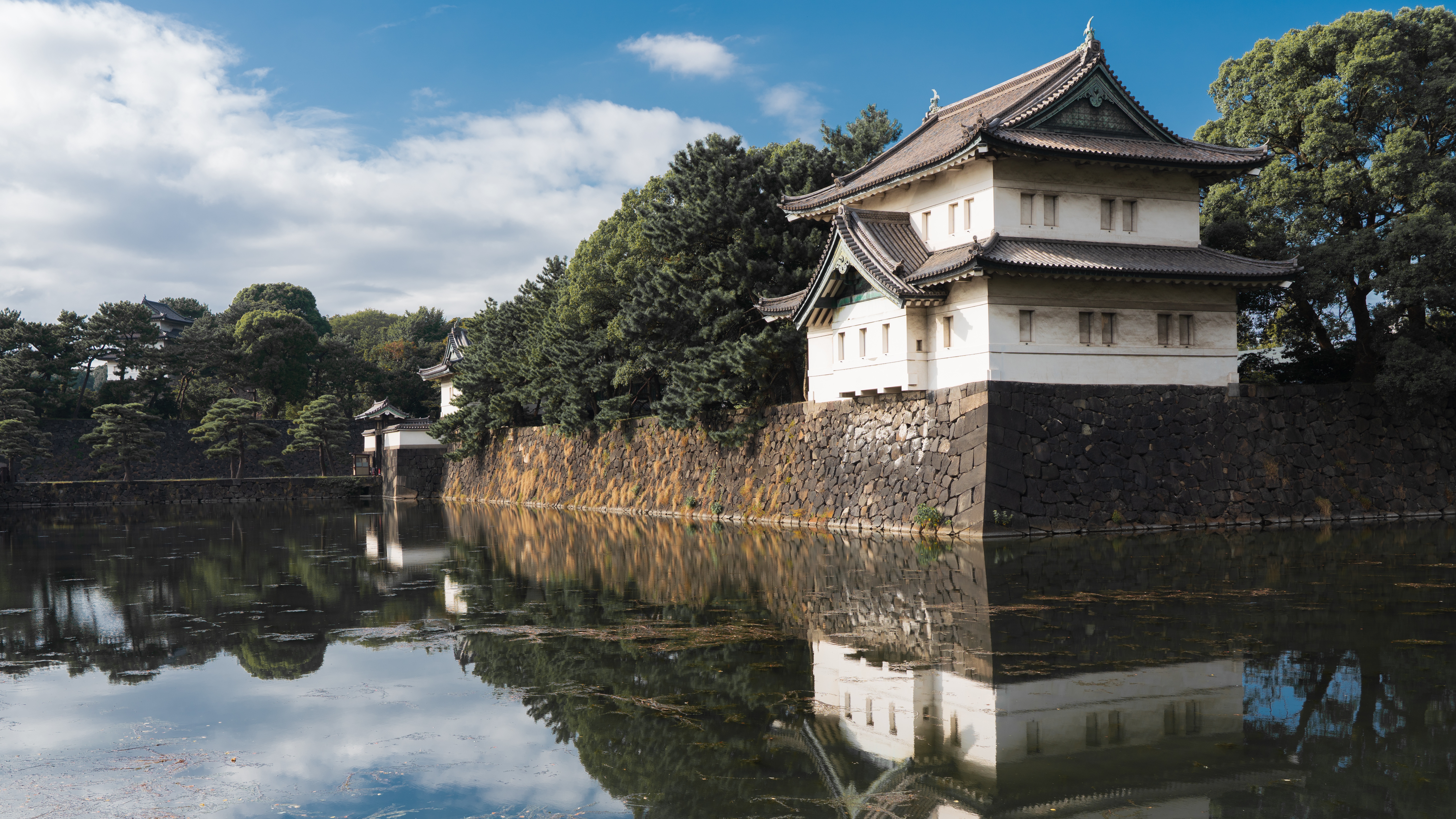
After a spiritual morning, the highlight of the day would be a visit to the Imperial Palace, located on the site of the former Edo Fortress. The palace gardens were once the inner defensive ring of the Tokugawa fortress, and are now open to the public and offer a walk through history and nature.
Here you can see the foundations of the tallest tower in Japan from the 17th century as well as moat walls and gates from the Shogunate period. The gardens include Suwa-no-cha-ya, a traditional teahouse built in 1912, as well as an iris garden, an orchard with old Japanese varieties, and an island of wildflowers. The gardens are especially beautiful in spring and autumn, when the cherry blossoms are in bloom and the leaves take on golden hues.
Ueno Park
The next stop is Ueno Park, one of the oldest public parks in Japan, opened in 1873. The park is famous for: Tokyo National Museum – the largest museum in Japan, Ueno Zoo, Shinobazu Lake with an island and a temple dedicated to the goddess….Benten, Toshogu Shrine, Cherry Blossom Trail which attracts thousands of visitors for hanami picnics in spring.Ueno is a perfect place to relax, walk, visit museums or simply enjoy nature and history.


Shibuya Crossing
A visit to Tokyo can be completed in the Shibuya district, home to the most famous pedestrian crossing in the world – Shibuya Crossing. This intersection, located in front of Shibuya Station, is famous for the fact that up to 3,000 people move from all directions at the same time when the light turns green. Surrounded by neon signs, screens and modern buildings, Shibuya Crossing is a symbol of dynamic, modern Tokyo. Nearby is a statue of the dog Hachiko, a symbol of loyalty, as well as numerous shops, cafes and restaurants. This is an ideal place for taking photos, people-watching and absorbing the energy of the city.
Kamakura
The last day of your visit to Japan is planned for a full-day trip to Kamakura, the former capital of the shogunate, located on the shores of Sagami Bay, about an hour and a half drive from Tokyo. Kamakura is known for its historic temples, shrines and beaches, and offers the perfect blend of spirituality and natural beauty.
Kotoku-in
The first stop is Kotoku-in, home to the Great Buddha of Kamakura Daibutsu. This bronze statue of Amida Buddha, 13.35 meters high and weighing over 90 tons, dates back to 1252. It was once housed in a temple, but after a series of typhoons and tsunamis in the 15th century, it was left outdoors, where it still stands today as a symbol of spiritual strength and endurance. Visitors can even enter the interior of the statue and experience the peace and tranquility it offers.
Tsurugaoka Hachimangu
Continue with a tour of Tsurugaoka Hachimangu Shrine, the most important Shinto shrine in Kamakura. Founded in 1063 and expanded by the shogun Minamoto no Yoritomo in 1180. It is dedicated to the god Hachiman, the protector of samurai and the Minamoto clan. The shrine is located on a hill, reached by a wide staircase, and is surrounded by the Genpei Ponds, which symbolize the conflict between the Minamoto and Taira clans. In spring, hundreds of cherry trees line the approach creating a fairy-tale atmosphere. In September, Yabusame – a traditional samurai equestrian archery ceremony is held.
Kamakurakoko-mae
The next stop is Kamakurakoko-mae, a small train station on the coast, famous for a scene from the anime series Slam Dunk. The platform offers views of the Pacific Ocean and Mount Fiju, and the yellow and black railway ramp has become an iconic photo spot. The station is a must-see for fans of Japanese pop culture and offers an authentic experience of local life.
Shichirigahama Plaza
The day can be ended with a walk along one of the most famous beaches in Kamakura. The beach is famous for its views of Mount Fuji and Enoshima Island, especially in the morning and before sunset. During the Edo period, it was an inspiration for ukiyo-e artists such as Hokusai, and today it is popular with surfers and walkers. Although it is not suitable for swimming, it provides a peaceful atmosphere, perfect for relaxing and reflecting.
In the late afternoon, you can enjoy the views of the coast and the mountainous landscapes of Kanagawa. The next day after breakfast it is time to say goodbye to Tokyo, a city that combines tradition and futurism, tranquility and energy, spirituality and urban rhythm. Next is the transfer to the airport. During the drive, you can take one more look at Tokyo’s skyscrapers, the Sumida River and Mount Fuji in the distance.

Kauser, May 2026
8D Splendid Japan-Private 3 Star Hotels-Osaka to Tokyo
” The tour was very good and well worth. The guide Kentaro and the driver Kause both were very good. Kentaro provided us with useful information about the history and culture of Japan!”


Great location – Friendly Staff – Excellent Stay – Booking hotel in Tokyo by Trivago


Promotion:


Keywords: @essenceofjapan @bhijapan @bookinghotelin @waytomakeatravel #bookdirectly @bookdirectly @promotions #bookinghotelinjapan @hotelsintokyo #tokyoattractions #tokyosights #accommodationintokyo #tokyohotels #bookinghotelintokyo #hirosimajapan #budgethotelsintokyo #budgethotelsinhirosima
Other similar stories: Japan’s Cultural Hotspots – Osaka, Nara, Kyoto & Miyajima island
Top 5 places to visit in Malaysia for Leisure Travel Magnificent South Pacific bay
Home Travel stories World Tours About










































Leave a Reply